
What Happens During a Professional Septic Pumping Service?
Septic systems require regular maintenance to function effectively. One crucial aspect of this maintenance is septic pumping. This article outlines the key stages and processes involved in a professional septic pumping service, ensuring homeowners have a comprehensive understanding of what to expect during the procedure. By recognizing the importance of routine septic care, homeowners can prevent unexpected issues and expensive repairs. A professional septic pumping service provides insight into the condition of the tank and helps confirm that it operates efficiently for years to come.
Pre-Service Inspection and Assessment
The pre-service inspection and assessment are vital in establishing a roadmap for the entire septic pumping service. Initially, a professional evaluates the current state of the septic system, checking for any signs of distress that might require immediate attention. This initial evaluation helps avoid unpleasant surprises during the pumping process and confirms the system is in good working order before work begins.
An accessible site is crucial for conducting a seamless septic pumping service. Technicians begin by examining the area where the septic system is installed. They assess how accessible the tank is, which influences the ease and efficiency of the pumping operation. Any obstacles, such as large trees or landscaping elements, are noted, as these might pose challenges during the septic pumping service and require additional preparation.
A vital part of the pre-service procedures involves direct consultation with the homeowner. This interaction helps the provider understand any concerns or recent issues with the septic system. Homeowners may mention slow drains or recent odors, which are crucial indicators of potential septic problems. The technician uses these insights to identify potential issues and tailor the septic pumping service accordingly. Additionally, every step and finding is carefully documented before pumping begins to provide a thorough overview of the task ahead.
Locating the Septic Tank
The first step in successfully performing a septic pumping service is accurately locating the tank. While installation maps and original property records provide clues, they may not always reflect current conditions. Over time, landscape changes or property modifications can obscure the location of septic tanks, complicating access and service.
When maps are unavailable or unclear, technicians utilize advanced electronic locators. These devices send signals that bounce back from the septic tank, pinpointing its exact location. Electronic locators are especially useful in tricky terrains or larger properties where tanks can be buried deep underground. By employing this technology during a septic pumping service, professionals minimize disruption to gardens, walkways, and other landscaping features.
In certain situations, manual probing techniques come into play. This involves the careful insertion of rods into the ground to detect the tank's lid. If a tank lid is buried, additional steps are required to uncover it while keeping property damage to a minimum. Through these methods, technicians prepare the site properly so the septic pumping service can proceed efficiently and safely.
Pumping Process
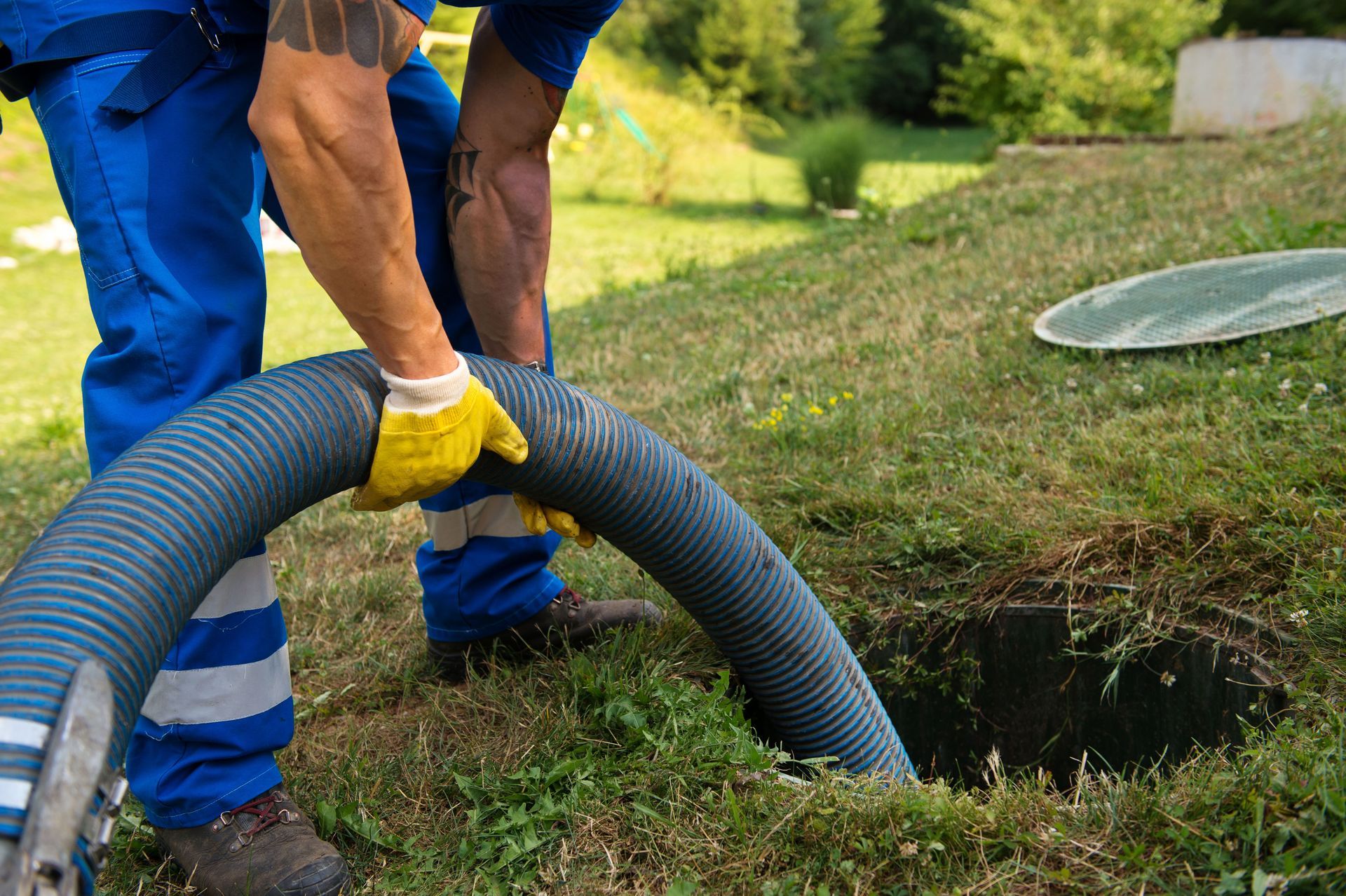
The core activity of a septic pumping service is the pumping process itself, which begins with setting up the proper equipment. Technicians use heavy-duty hoses and truck-mounted pumps to extract waste efficiently. The hoses are securely connected to the tank after opening, helping prevent spillage during waste extraction. This phase is crucial to maintaining a sanitary environment throughout the septic pumping service.
Once the tank is accessed, the liquid waste is pumped out first. Following this, technicians focus on removing the sludge layer, which can build up over time if not regularly serviced. According to The Spruce, most home septic tanks hold between 1,000 and 1,500 gallons, though sizes can range from 750 to 1,750 gallons. This variance requires experience in adjusting equipment settings during the septic pumping service to handle different tank capacities properly.
Technicians diligently monitor the pumping process, confirming that the equipment functions correctly and no overflow issues arise. If obstructions such as solid debris or clogs are detected, immediate action is taken to address them. This may involve manual removal or the use of specialized tools to dislodge obstacles. Careful attention during this stage of the septic pumping service is critical to restoring full functionality to the system.
Tank Cleaning and Inspection
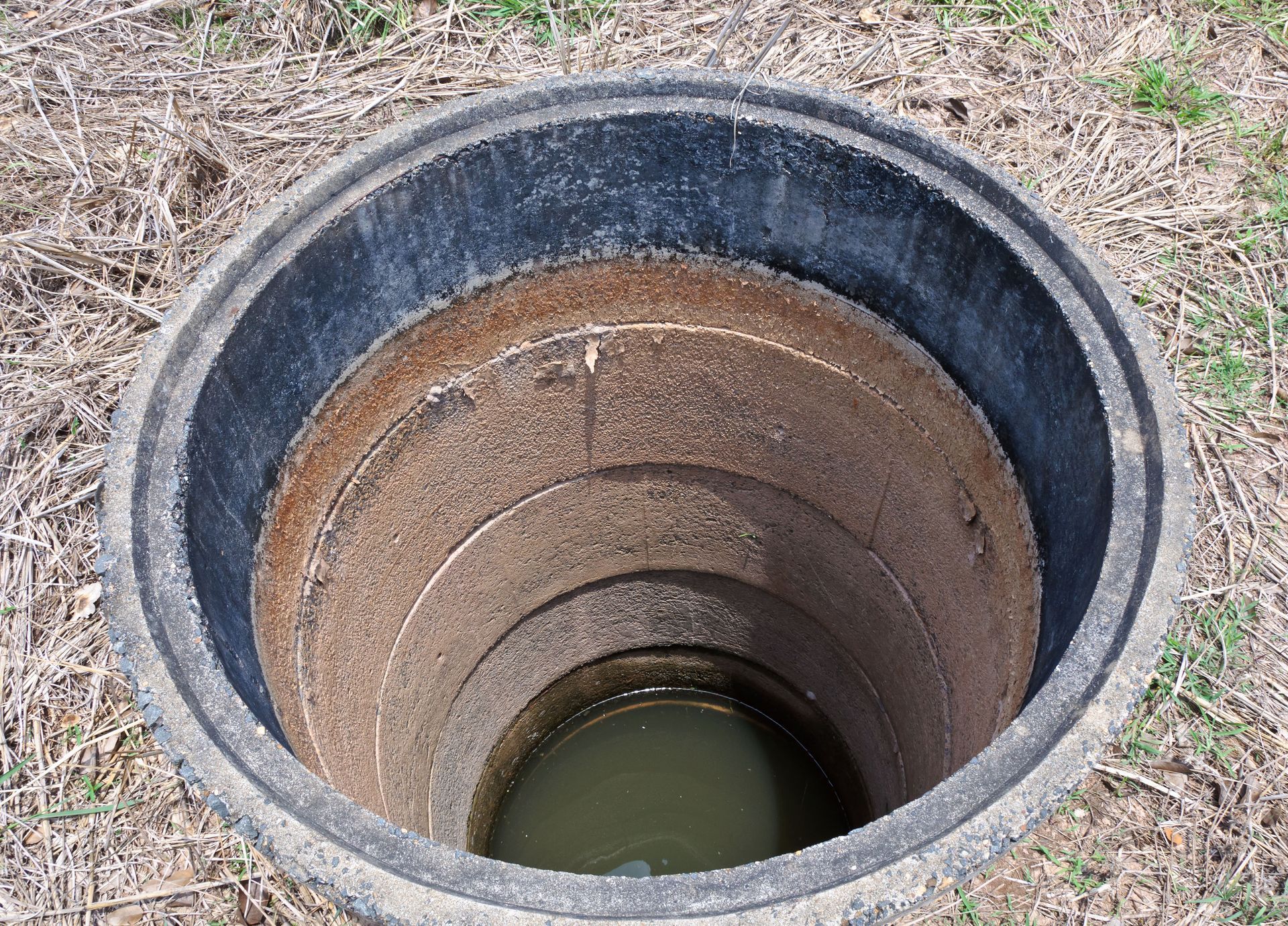
Once the tank is emptied, a detailed cleaning and inspection process follows. This stage of the septic pumping service assesses overall condition and functionality. A visual inspection checks for cracks or structural damage that could lead to leaks or system failure. Proper tank maintenance supports longevity and reduces environmental concerns.
Among the components inspected are the baffles and filters, which play a critical role in preventing solids from entering the drain field. Any damage to these components can lead to system failure and costly repairs. During a professional septic pumping service, these parts are carefully evaluated to confirm they are intact and functioning correctly. Malfunctioning baffles or filters could indicate improper past maintenance or signal the need for replacement.
Finally, the tank interior undergoes scraping and rinsing to remove remaining residue. This cleaning step is essential for limiting the buildup of harmful bacteria and maintaining sanitary conditions. Any signs of wear or damage noted during the septic pumping service are documented for potential repairs, helping homeowners plan proactively for future maintenance.
Post-Service Procedures
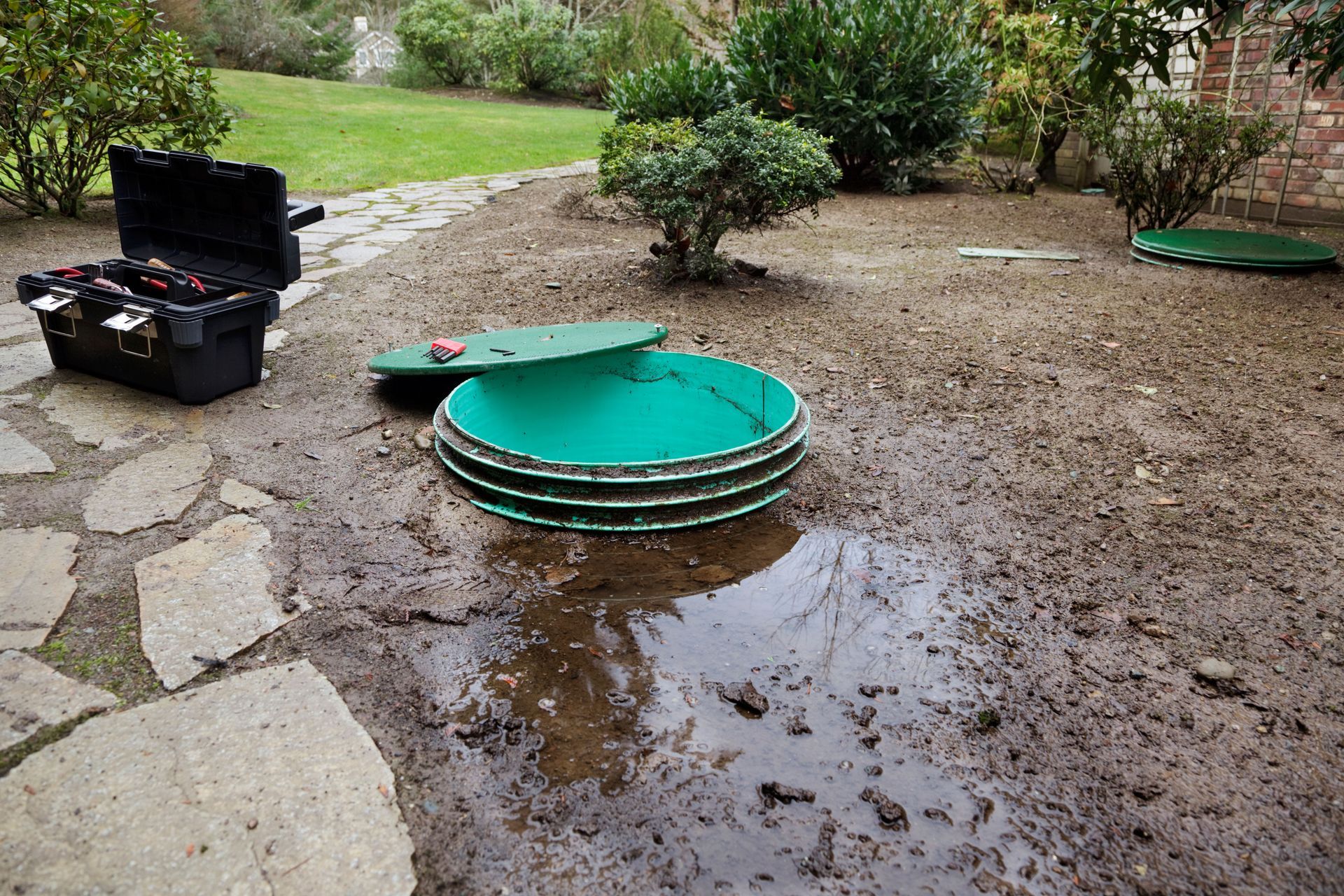
After pumping and cleaning are complete, the tank is carefully sealed and covered. Proper sealing prevents soil contamination and the re-entry of debris. Attention is given to confirm that everything is secure and safe for the surrounding environment once the septic pumping service concludes.
The next step involves restoring the property to its original condition. This includes replacing displaced soil and repositioning landscaping elements. The goal is to leave the area as undisturbed as possible, preserving curb appeal. A reputable septic pumping service prioritizes both system performance and property care.
The final step is preparing a detailed service report. This document outlines observations, completed work, and any recommendations. Homeowners receive guidance on maintenance schedules and usage habits to extend the life of their system. Clear communication following a septic pumping service empowers homeowners to take preventive measures and reduce the likelihood of emergencies.
Cost and Service Considerations
The cost of a septic pumping service varies depending on several factors, including tank size, accessibility, and regional labor rates. Larger tanks or those that are difficult to access may require additional time and equipment, influencing the final price. Understanding these variables helps homeowners budget appropriately.
Service charges and invoices provide a breakdown of the completed work and associated expenses. Reviewing these documents allows homeowners to see the value delivered through the septic pumping service. Transparent pricing builds trust and clarifies what is included, such as inspection, cleaning, and documentation.
Some homeowners choose ongoing maintenance plans to simplify scheduling and reduce long-term costs. Routine appointments help keep the system operating smoothly and reduce the risk of backups. By selecting a dependable provider and committing to a regular septic pumping service schedule based on household size and water usage, homeowners can maintain efficient system performance year after year.
A professional septic pumping service supports the optimal functioning and longevity of your septic system. By understanding the detailed steps involved, from inspection and pumping to cleaning and documentation, homeowners can make informed decisions about maintenance. Regular septic pumping service appointments protect your property, reduce repair costs, and contribute to environmental health by preventing contamination from system failures. Contact A-1 Septic Systems today to learn more.

Share On: